Film · 20 November 2026 · 6 min read
Barton Cottage on Dartmoor: The New Sense and Sensibility
Georgia Oakley's Sense and Sensibility moves the Dashwoods into a granite warrener's house on the open moor. A look at the cottage Austen wrote, the one the film found, and the film itself.
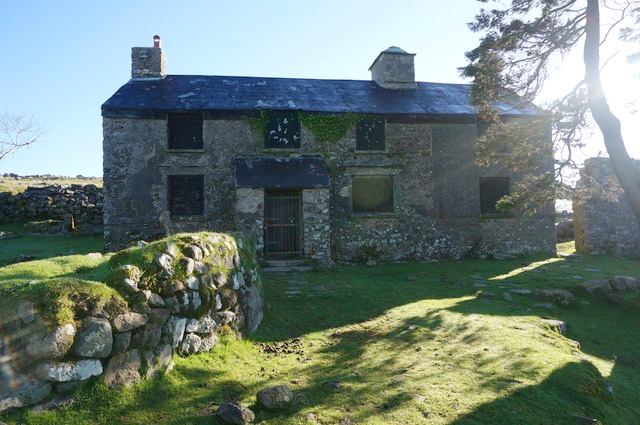
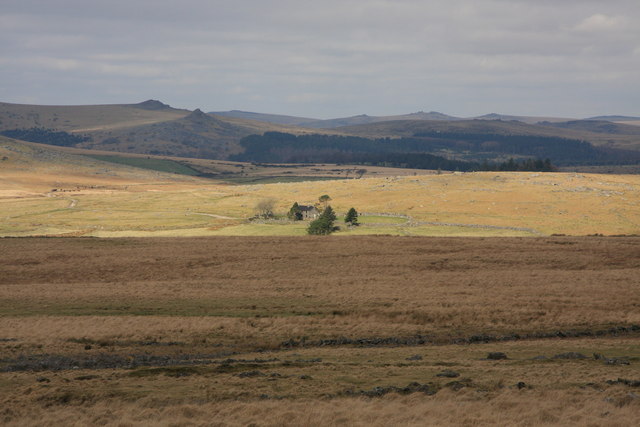
Ditsworthy Warren House, Dartmoor, Barton Cottage in the 2026 film. Photo: Jeff Collins, CC BY-SA 2.0, brightened.
Every adaptation of Sense and Sensibility has to decide what Barton Cottage looks like. It is the house the Dashwood women are reduced to when Norland passes to their half-brother, where Marianne meets Willoughby and Elinor keeps her counsel about Edward. Georgia Oakley's new film, written by Diana Reid and shot on 35mm, gives a bold answer: a bare granite house on the edge of Dartmoor, a long walk from the nearest road. It is a striking choice, a long way from the cottage Austen described, and for anyone who loves a period cottage, a fascinating study in what that word has meant over two centuries.
Four Miles North of Exeter
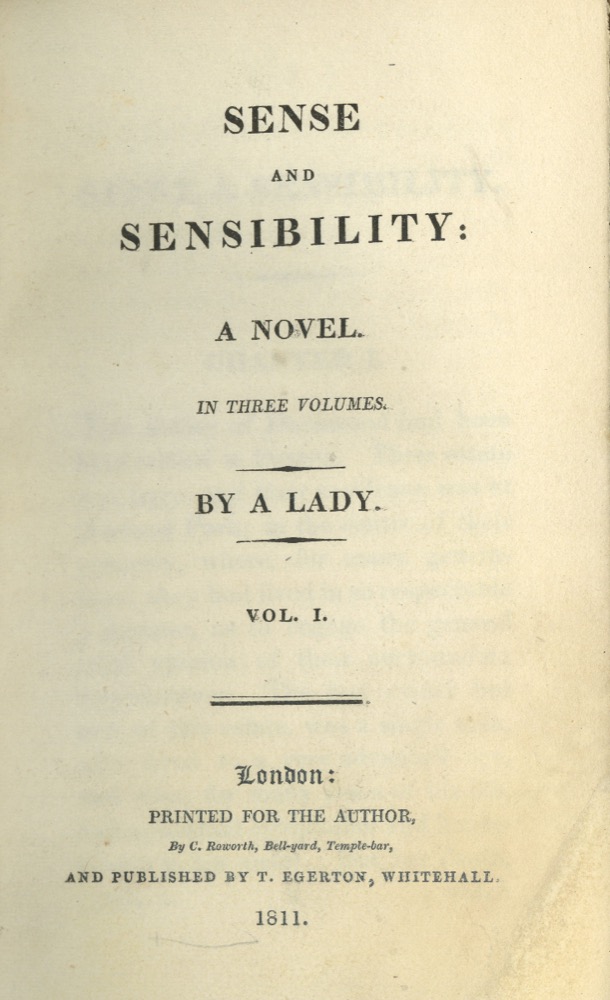
Austen is unusually precise about Barton. It lies "within four miles northward of Exeter" in a valley "well wooded, and rich in pasture", with a small green court and a neat wicket gate. Inside, "a narrow passage led directly through the house into the garden behind. On each side of the entrance was a sitting room, about sixteen feet square", with four bedrooms and two garrets above. It "had not been built many years and was in good repair." This is no hovel but a modest, recently built house on Sir John Middleton's estate, let to his widowed cousin at a kind rent.
Defective as a Cottage
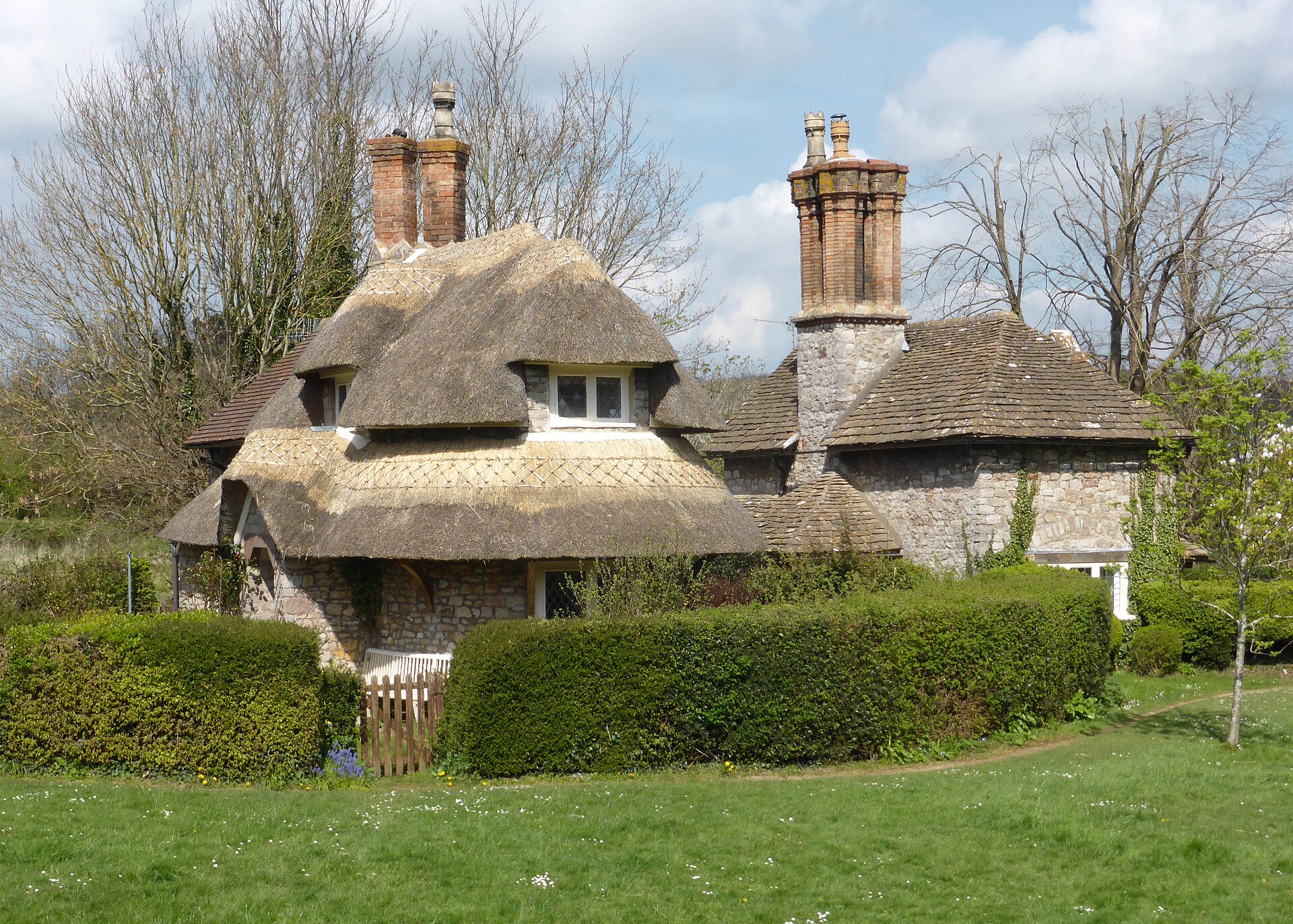
Then comes one of Austen's best jokes about houses. "As a house, Barton Cottage, though small, was comfortable and compact; but as a cottage it was defective, for the building was regular, the roof was tiled, the window shutters were not painted green, nor were the walls covered with honeysuckles." In 1811 landowners were building cottages ornés, thatched and deliberately irregular, as picturesque retreats; John Nash's Blaise Hamlet near Bristol, a little green ringed with thatched cottages, was finished that very year. This was the period cottage of popular imagination, and Austen lists exactly what the fashion demanded and notes, with a straight face, that Barton has none of it.
Improve This Dear Cottage
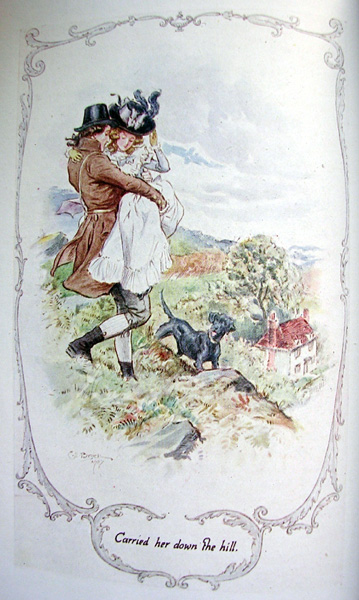
The characters cannot leave the idea alone. Mrs Dashwood, who has never saved a penny, plans improvements before she has unpacked, a new drawing room "and a bed-chamber and garret above" to "make it a very snug little cottage". Willoughby will hear none of it: "Improve this dear cottage! No. That I will never consent to. Not a stone must be added to its walls, not an inch to its size." He loves the cottage the way he loves Marianne, as a picture of feeling, with no thought of what it costs to live in either.
Austen saves her sharpest line for Robert Ferrars, who assumes Elinor lives "in a cottage near Dawlish". "I am excessively fond of a cottage," he announces; "there is always so much comfort, so much elegance about them." When Lord Courtland showed him three sets of plans by the architect Bonomi, he says, he threw them in the fire and told him to build a cottage instead. To Robert a cottage is a fashionable accessory. To the Dashwoods it is all they can afford, and the novel turns on that gap.
Ditsworthy Warren
The film's Barton is Ditsworthy Warren House, near Sheepstor in the upper Plym valley: a Grade II listed granite farmhouse built for the keeper of what was once called the largest rabbit warren in England. Rabbits were farmed here in long earth-covered "pillow mounds", 53 of which survive around the house. Abandoned in 1947, it now belongs to the Maristow Estate and serves as a shelter for troops training on the moor. Some will know it already: in 2010 Steven Spielberg gave it a thatched roof and made it the Narracott farmhouse in War Horse.
The production found it windowless and empty. The brief for Barton, according to the location team, was "absolutely remote, very rustic. We could say rundown", a house that would show at a glance how far the Dashwoods had fallen. Windows and a period door were fitted, bats and nesting birds surveyed, and it became the hardest location of the shoot: deep in mud, forty-five minutes from anywhere, with filming halted whenever the wind and rain swept in.
Austen's Joke, Inside Out
So the film turns Austen's joke inside out. Her Barton was too neat to be a proper cottage; Oakley's is almost too wild to be a house. As storytelling it works: the fall from Norland is felt in the body, and the moor gives Marianne a landscape big enough for her feelings. What it loses is Austen's irony, a family who are poorer than they were but still keep servants. There is one happy coincidence, though. Ditsworthy is, in Austen's own word, regular: symmetrical, with a central door and a chimney at each end. Strip the moor away and it is closer to the house she described than any thatched period cottage would have been.
The Film
And the film itself? We at Period Cottages thoroughly enjoyed it. Daisy Edgar-Jones's Elinor is the standout performance, with Esmé Creed-Miles as Marianne, George MacKay as Edward and Frank Dillane as Willoughby. The loose hair and relaxed costumes were distracting at times, and we are doubtful of the merits of that decision. But as far as period cottages go, it is the granite house on the moor, cast as Barton Cottage, that gives this Sense and Sensibility its real charm.
Walking to Barton Cottage
Ditsworthy is not open to visitors, but three bridleways meet at the house and it makes a fine walk. Park at Cadover Bridge on the Plym and follow the track south-east across Ringmoor Down, the pillow mounds rising on the hillside as you near the house. Carry on to the Drizzlecombe stone rows, or head west to Sheepstor, whose churchyard holds the grave of Sir James Brooke, the first White Rajah of Sarawak, with Burrator Reservoir beyond. Finish at the Royal Oak at Meavy, a community-owned pub on the village green, and take a waterproof whatever the forecast.
Austen's Barton disappointed people for not being picturesque enough; the new film's could never be accused of that. Somewhere between the two is the cottage most of us actually want: a plain, well-built house in a good valley, with a view from the windows and a garden behind.
- Image credits
- Ditsworthy Warren House by Jeff Collins (brightened by Period Cottages), CC BY-SA 2.0
- Ditsworthy Warren House by Guy Wareham, CC BY-SA 2.0
- Circular Cottage at Blaise Hamlet by Adrian Pingstone, public domain
- Sense and Sensibility, first edition title page (1811) by Jane Austen, scan by the Lilly Library, Indiana University, public domain
- "Carried her down the hill" by C. E. Brock (1908), public domain
More from the journal
Reflections · 8 min read
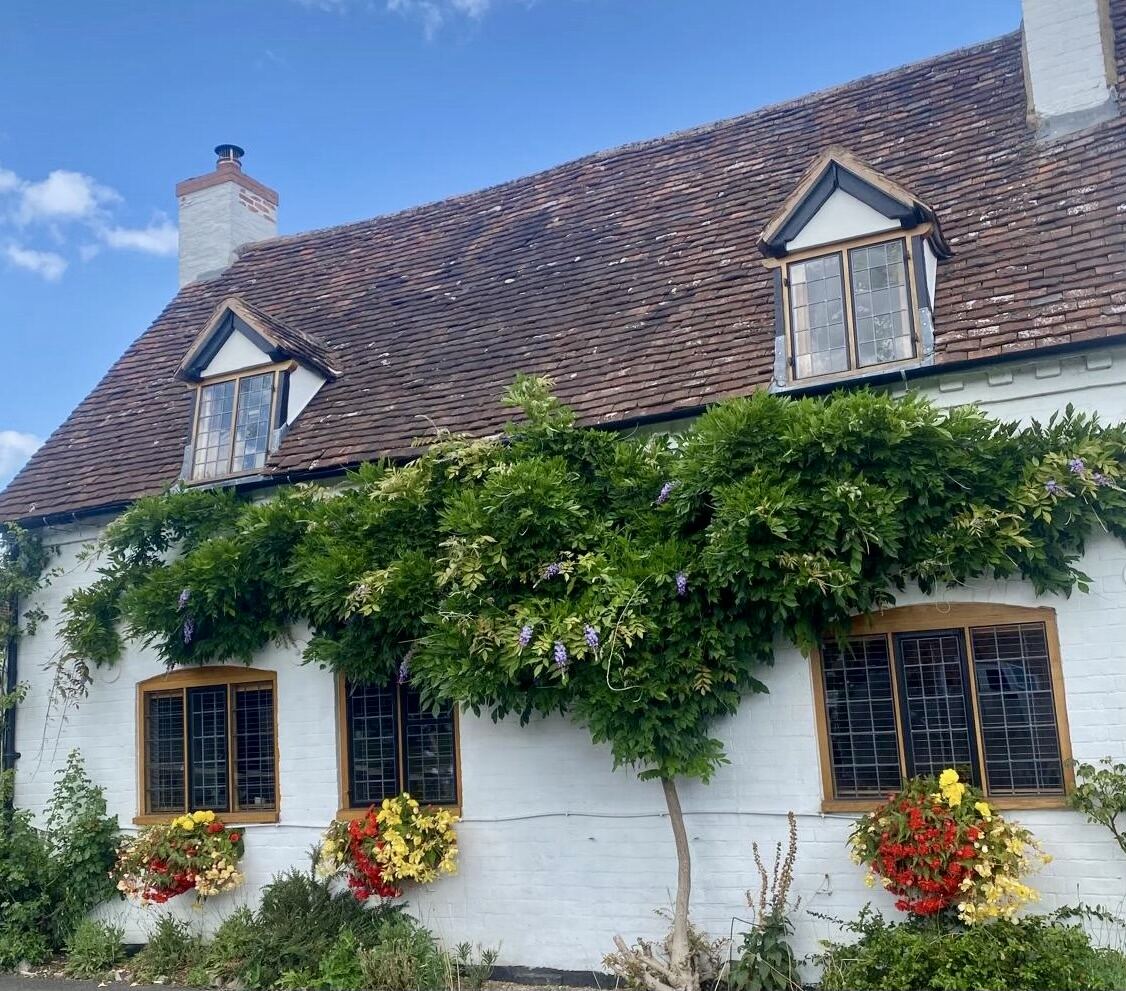
What Makes a House a Cottage
A word everyone knows but is tricky to define: we trace the cottage from its medieval roots to its modern muddle.
Books · 6 min read
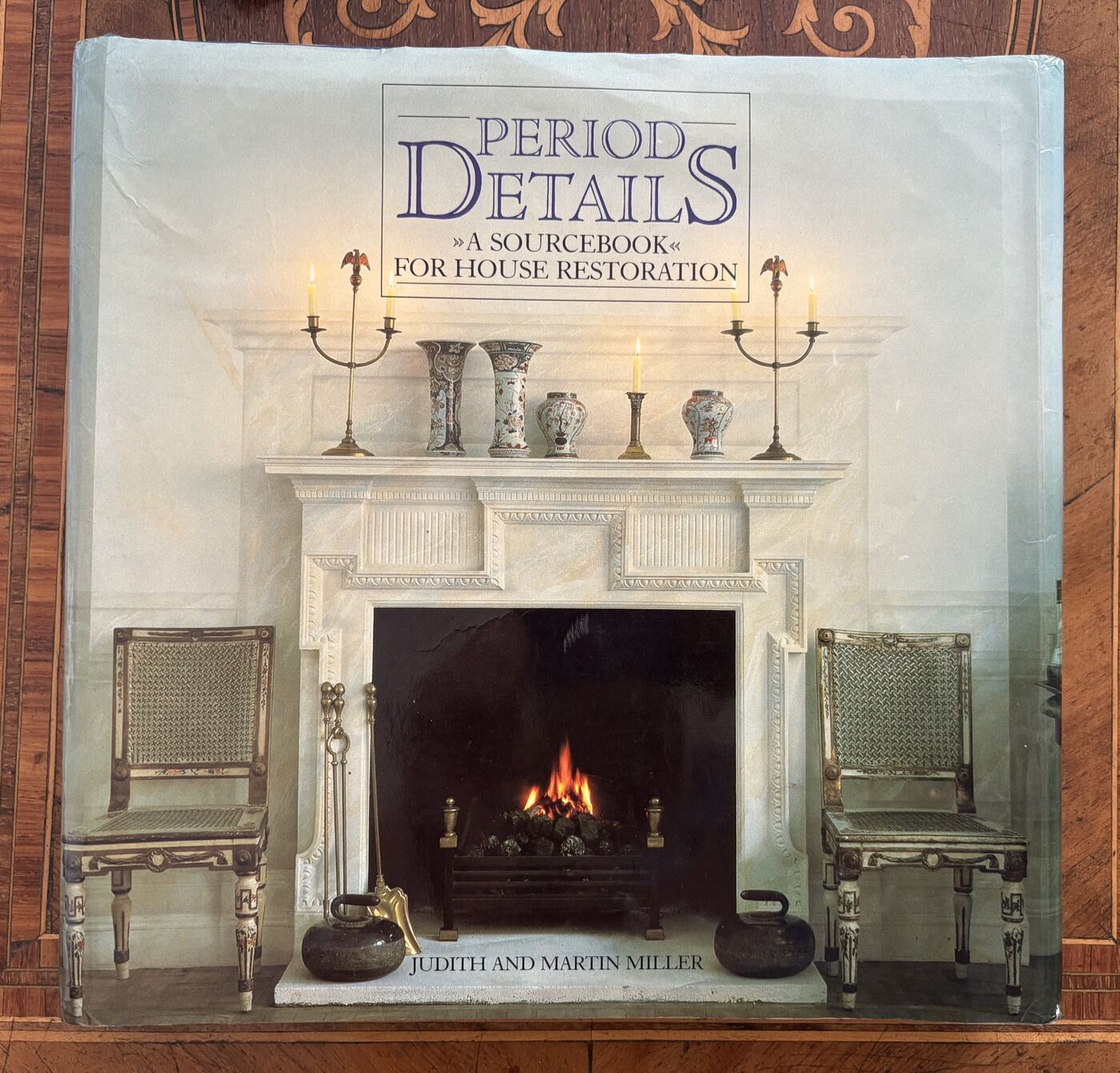
Period Details by Judith and Martin Miller: A Review
A twenty-year-old copy of the Millers' Period Details recently came into our possession, and it has aged remarkably well.
Places · 5 min read
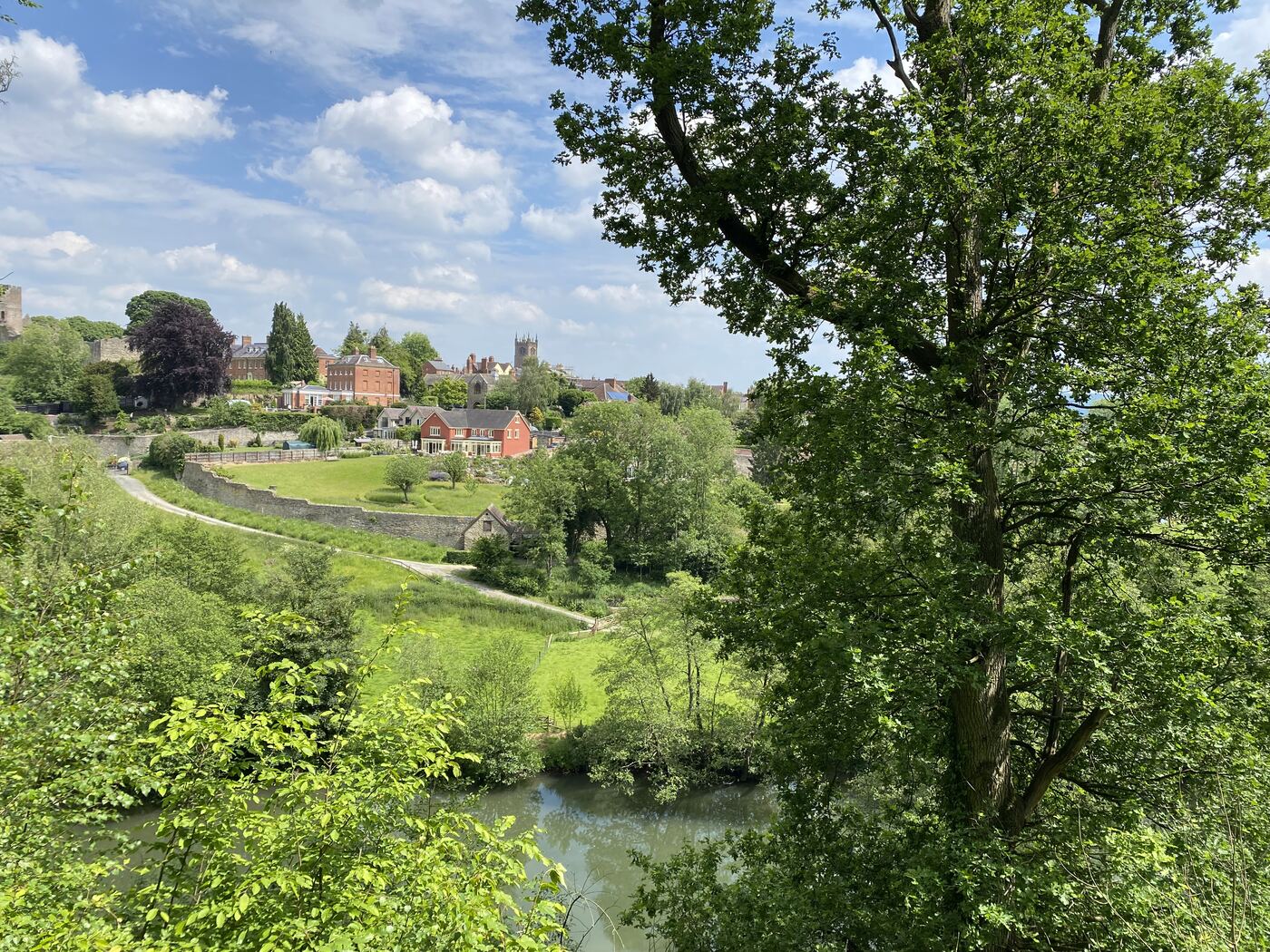
Three Towns We Keep Returning To
From the Northumberland hills to the Isle of Wight coast, three corners of England where the period house is at its most beguiling.